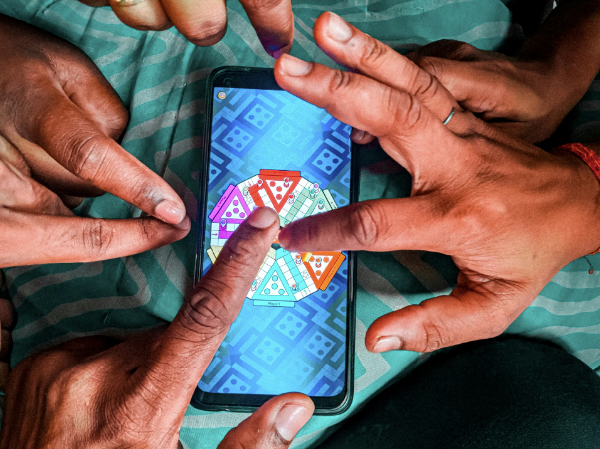
Entertainment used to ask for your time. Now it fits into whatever time you have. A few minutes on the train, a quick break between meetings, a scroll before bed, these moments have become prime real estate for engagement in today’s always-connected digital consumption landscape.
Quick-play games have stepped into that space, offering fast, flexible experiences that match the pace of modern life in an increasingly mobile-first, on-demand world. Their rise isn’t random. It reflects a deeper shift in how people consume, interact and unwind.
Entertainment Built for the Gaps in Our Day
Life rarely slows down long enough for a two-hour commitment. Instead, it breaks into fragments, small windows that demand equally flexible entertainment. These brief intervals now shape how and when people choose to engage.
Quick-play games thrive in these “in-between” moments, turning idle time into something engaging without asking for much in return:
- Waiting in line at a coffee shop,
- A short commute or rideshare,
- Five minutes between tasks,
- A quick mental reset after work.
Smartphones made this shift inevitable. With a powerful device always within reach, entertainment no longer needs planning. It simply needs to be available instantly. This constant access has redefined expectations around speed and convenience.
The Appeal Behind Quick-Play Experiences
Quick-play games don’t just fit into modern schedules; they align with how people naturally engage with entertainment. Fast, responsive experiences make it easy to jump in without overthinking, capturing attention almost instantly.
Short bursts of gameplay deliver rapid feedback. A level completed, a score improved, a reward unlocked, each moment brings a clear sense of progress in fast-paced digital environments. These quick wins build a satisfying rhythm without demanding much time or focus.
Traditional games often require tutorials, strategy and time to become enjoyable. Quick-play removes that barrier, letting players jump in, grasp the mechanics instantly and have fun. That balance, minimal effort with immediate payoff, keeps them coming back.
From Mobile Games to Mainstream Culture
Quick-play started as something people associated with mobile games but it no longer belongs only to gaming. The logic has spread everywhere. Social platforms run on short bursts. Streaming services experiment with interactive features. Apps reward daily check-ins, streaks, taps, swipes and tiny decisions that keep people moving from one moment to the next. The structure is familiar even when the product changes.
Mobile games helped prove the model because they removed most of the old barriers. Skill level mattered less. Expensive hardware didn’t matter at all. Anyone could download something, try it and understand the basic loop almost immediately.
That accessibility changed expectations. Now people expect digital entertainment to meet them halfway. It should load quickly. It should explain itself without overexplaining. It should feel rewarding before attention drifts elsewhere. Maybe that sounds impatient but it’s also practical. There are too many options competing for the same few minutes now.
As mobile entertainment has become faster and more responsive, stronger networks also helped support that shift. Developments like 5G for high-speed data applications make quick-loading, low-friction experiences feel more natural across phones, apps and connected platforms.
The Design Shift: Simplicity, Speed and Accessibility
Behind every successful quick-play experience lies a deliberate design philosophy. Developers aren’t just making games shorter. They’re rethinking how engagement begins and ends. This shift reflects a broader focus on user-first, frictionless design.
Core principles define this approach:
- Tap-and-play mechanics that require no learning curve,
- Fast loading with minimal friction,
- Self-contained sessions that feel complete in minutes.
This emphasis on instant access shows up across a wide range of interactive experiences today. Users expect to move from curiosity to action without delay, whether jumping into a quick puzzle or testing reflexes in an arcade-style challenge.
That same expectation extends to online casino platforms offering short, self-contained sessions, including options to play real money slots built for immediate entertainment. The expectation is simple: entertainment should start now, not later.
Why Every Industry Is Borrowing the Quick-Play Model
Quick-play isn’t limited to games. Its influence stretches across industries that compete for attention in an increasingly crowded digital space.
Microlearning and Bite-Sized Education
Education platforms have embraced shorter formats to keep learners engaged. Lessons are broken into small, interactive segments that feel manageable and rewarding for modern, time-constrained digital learners. Progress happens in minutes, not hours.
Marketing That Feels Like Play
Traditional ads struggle to hold attention. Interactive, playable ads flip the experience, turning passive viewers into active participants in increasingly crowded digital content environments. Engagement rises because users aren’t just watching, they’re doing.
Wellness, Fitness and Habit Building
Health and wellness apps rely on quick wins to build long-term habits in today’s fast-paced, goal-driven lifestyles across busy, digitally connected routines. A short meditation session, a daily step goal or a streak tracker transforms big goals into small, repeatable actions.
The Attention Economy and the Battle for Time
Modern entertainment doesn’t only compete with other entertainment. It competes with messages, errands, work alerts, news feeds and the strange pull of doing nothing while still holding a screen. That’s the real environment in which quick-play games entered.
They succeed because they remove hesitation. There’s no need to decide whether the next hour is free. No need to remember where the story left off. No pressure to be good. The player can start quickly, leave quickly and still feel like the session counted.
This changes how value is measured. A five-minute experience can feel more successful than a long one if it delivers the right kind of engagement. The time may be brief but the feeling is complete. There’s also relief in that. Not every form of entertainment needs to become an event. Sometimes people want something small enough to fit inside the day without rearranging it.
A Culture That Plays in Short Bursts
Quick-play games say something about the culture around them. They reflect a world that keeps moving, where people still want play, distraction, challenge and reward, but often in smaller moments than before.
Long-form entertainment still matters. It probably always will. People still want stories that stretch, games that demand skill and experiences that feel worth sinking into for hours. Quick-play hasn’t replaced that appetite.
It has claimed a different space. The short pause. The idle minute. The mental reset after a long task. These are not empty moments anymore. They’ve become part of the entertainment economy and quick-play games understand their shape better than almost anything else. In a world that rarely stops, the ability to play for a few minutes and leave satisfied feels less like a compromise than an intentional feature.